How hypertension is tested on Step 1
Expect a young patient with severe or resistant hypertension and a clue to a secondary cause, a histology image of an arteriole, or a request for the best initial drug.
Onset before 30 or after 55, resistant hypertension on three drugs, sudden worsening, low potassium, an abdominal bruit, or paroxysmal symptoms all suggest a secondary cause.
Stages and causes
Blood pressure is the product of cardiac output and systemic vascular resistance; most causes raise one or both.
| Secondary cause | Clue | Test |
|---|---|---|
| Primary aldosteronism (Conn) | Hypokalemia, metabolic alkalosis, resistant HTN | Aldosterone-to-renin ratio (high aldosterone, low renin) |
| Renal artery stenosis | Abdominal bruit; creatinine rise on ACE inhibitor; flash pulmonary edema | Duplex ultrasound, CT/MR angiography |
| Fibromuscular dysplasia | Young woman; "string of beads" | Angiography |
| Pheochromocytoma | Episodic headache, sweating, palpitations | Plasma free metanephrines |
| Cushing syndrome | Central obesity, striae, hyperglycemia | Dexamethasone suppression, 24-h urine cortisol |
| Coarctation of the aorta | Arm > leg pressure, rib notching; Turner syndrome | Echo, CT/MR |
| Obstructive sleep apnea | Snoring, daytime sleepiness, obesity | Polysomnography |
| Drugs | NSAIDs, decongestants, oral contraceptives, stimulants, cyclosporine | History |
Primary aldosteronism is the most common identifiable endocrine cause.
Pathology and end-organ damage
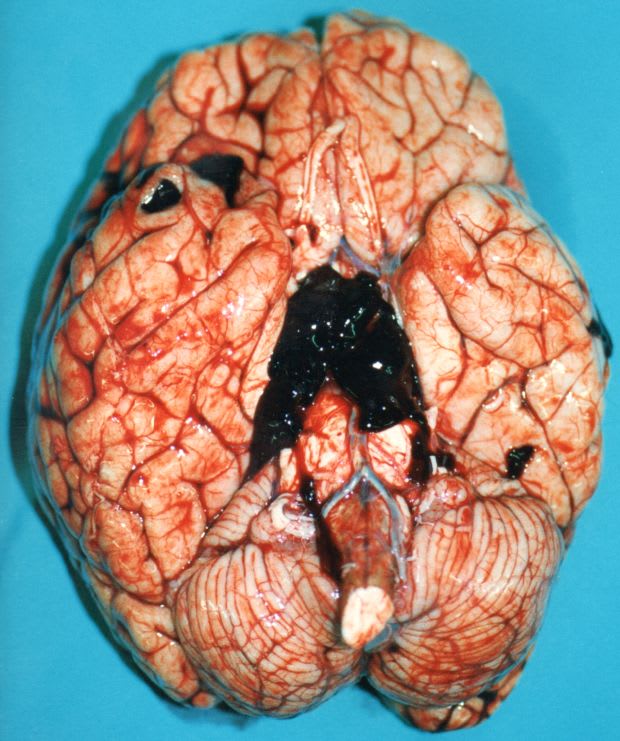
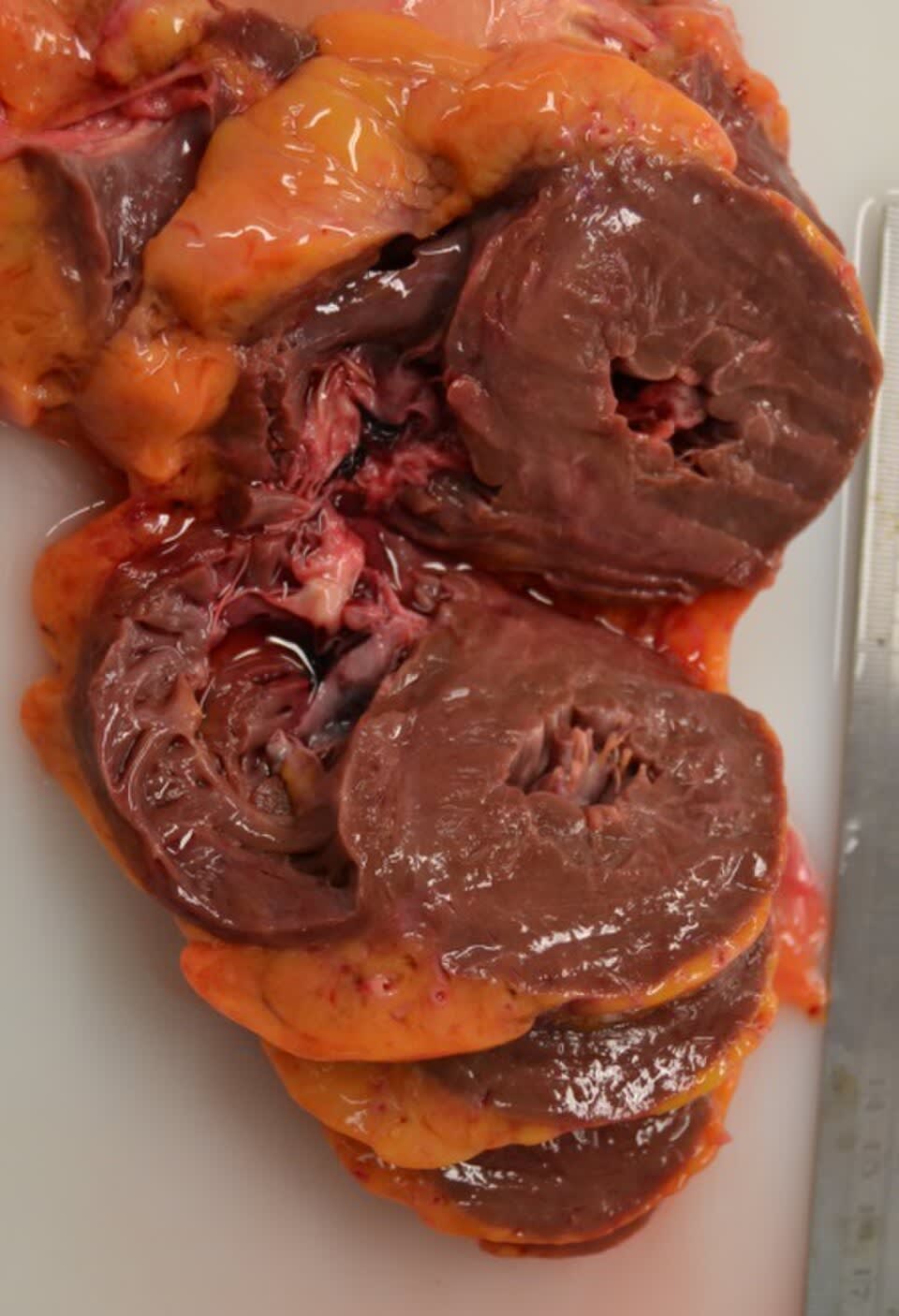
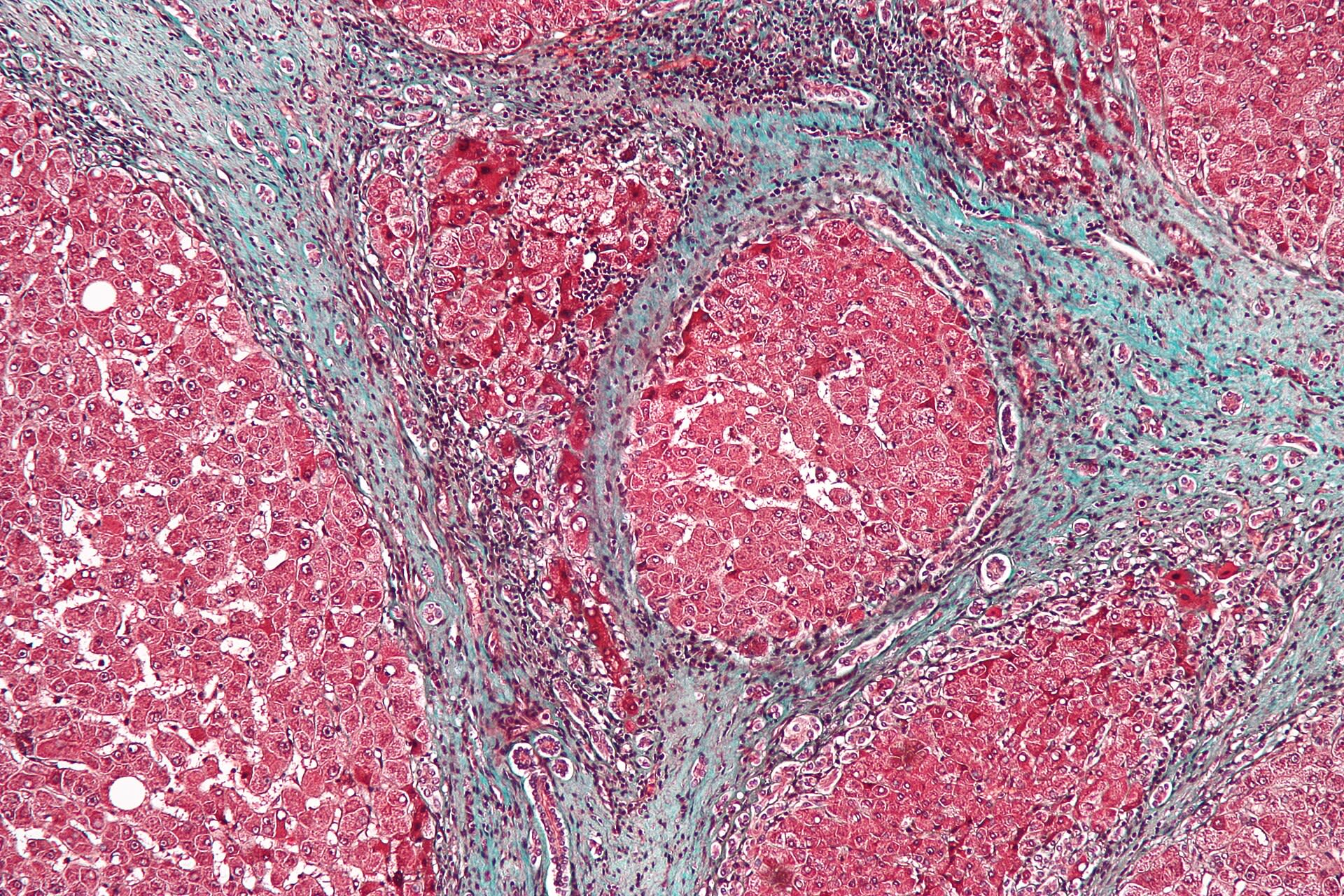
Chronic high pressure injures small arteries and drives remodeling of the heart and large vessels.
Treatment
Lifestyle change (sodium restriction, weight loss, exercise, limiting alcohol, DASH diet) is the foundation. First-line drug classes are thiazides, ACE inhibitors or ARBs, and dihydropyridine calcium channel blockers.
| Comorbidity or situation | Preferred drug(s) | Avoid |
|---|---|---|
| Diabetes with albuminuria, CKD with proteinuria | ACE inhibitor or ARB | — |
| HFrEF | ACE inhibitor/ARB/ARNI, β blocker, spironolactone | Non-DHP CCBs |
| After MI, angina | β blocker, ACE inhibitor | — |
| Black patients without CKD or HF | Thiazide or dihydropyridine CCB | — |
| Pregnancy | Labetalol, nifedipine, methyldopa | ACE inhibitors, ARBs, aliskiren |
| Benign prostatic hyperplasia | α1 blocker (adjunct) | — |
| Osteoporosis | Thiazide | — |
| Gout | Losartan | Thiazides, loop diuretics |
Hypertensive emergency (severe BP with end-organ damage): lower mean arterial pressure by no more than about 25% in the first hour with IV labetalol, nicardipine, clevidipine, or esmolol.
Clinical application
Low potassium in a hypertensive patient points to excess mineralocorticoid.
A 42-year-old has blood pressure 168/102 despite three drugs, serum K⁺ 3.0 mEq/L without diuretics, and bicarbonate 31 mEq/L. Plasma renin is suppressed. What is the most likely cause?
- Resistant hypertension plus hypokalemia and metabolic alkalosis suggests mineralocorticoid excess.
- Aldosterone increases ENaC activity in principal cells, retaining Na⁺ and wasting K⁺ and H⁺.
- Suppressed renin means the aldosterone is autonomous (not driven by RAAS).
Answer. Primary aldosteronism (adrenal adenoma or bilateral hyperplasia). Confirm with an elevated aldosterone-to-renin ratio; treat an adenoma surgically or bilateral disease with spironolactone or eplerenone.