Knowledge Hub › USMLE › Step 1 Roadmap
USMLE Step 1 Roadmap

Your Step 1 review, mapped

Organized by the official USMLE Step 1 content outline: build the foundations first, then work through each organ system, labeled with its share of the exam. Each stop is a study unit; tap it to open every guide it covers. Your progress is saved on this device.

Try it now

Try 3 real questions

Straight from the Progress Note question bank, each with a cited explanation. No account needed.

A 38-year-old man with HIV (CD4 count 90 cells/microliter) presents with violaceous plaques on the skin and hard palate. Biopsy is shown below; cells stain positive for a latent viral nuclear antigen by immunohistochemistry. Which statement about its pathogenesis is correct?
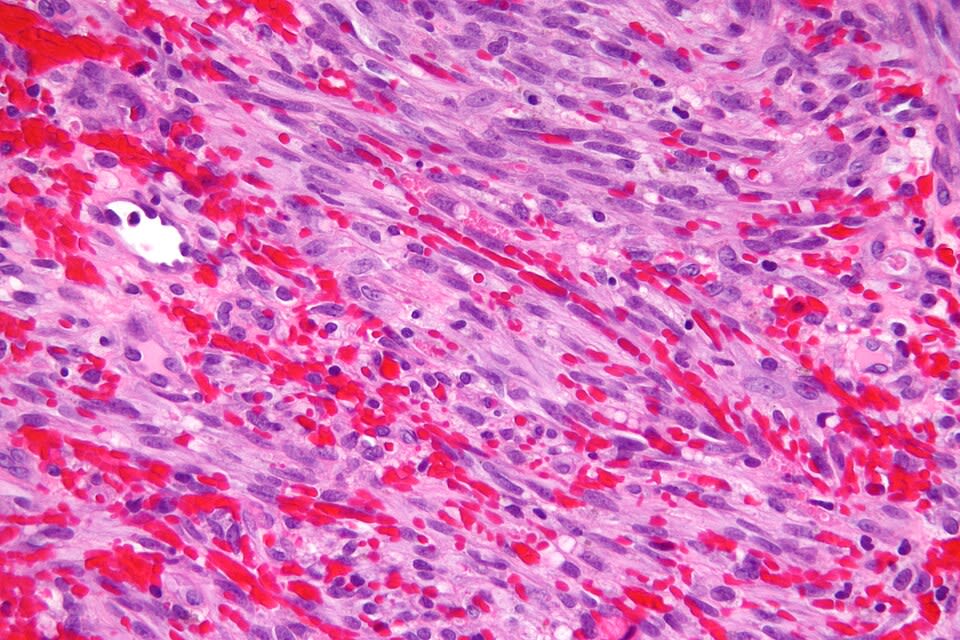
Image for question 1
Nephron, CC BY-SA 3.0 <https://creativecommons.org/licenses/by-sa/3.0>, via Wikimedia Commons

A 6-year-old boy with a history of dactylitis presents with acute severe abdominal pain, pallor, and a rapidly enlarging spleen; hemoglobin has dropped from a baseline of 8 g/dL to 4 g/dL. A peripheral blood smear image is shown below. Which of the following conditions most directly triggers erythrocyte sickling in this patient's disease, based on the underlying molecular mechanism?
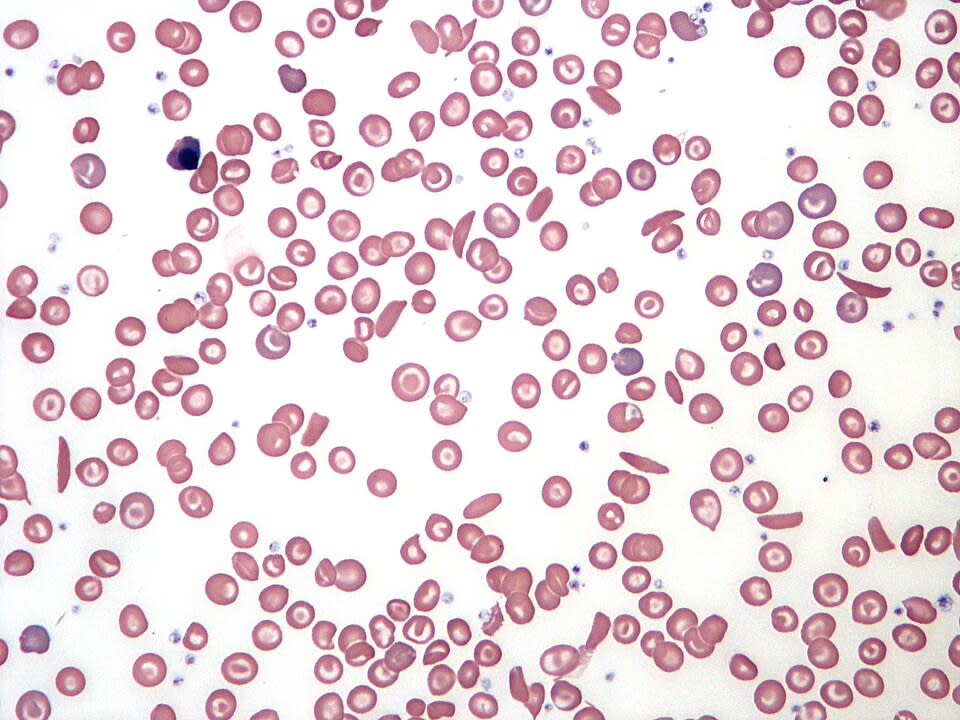
Image for question 2
Keith Chambers, CC BY-SA 3.0 <https://creativecommons.org/licenses/by-sa/3.0>, via Wikimedia Commons

A patient presents with ptosis and diplopia that worsens throughout the day. Edrophonium administration transiently improves symptoms. Which underlying mechanism is most likely?
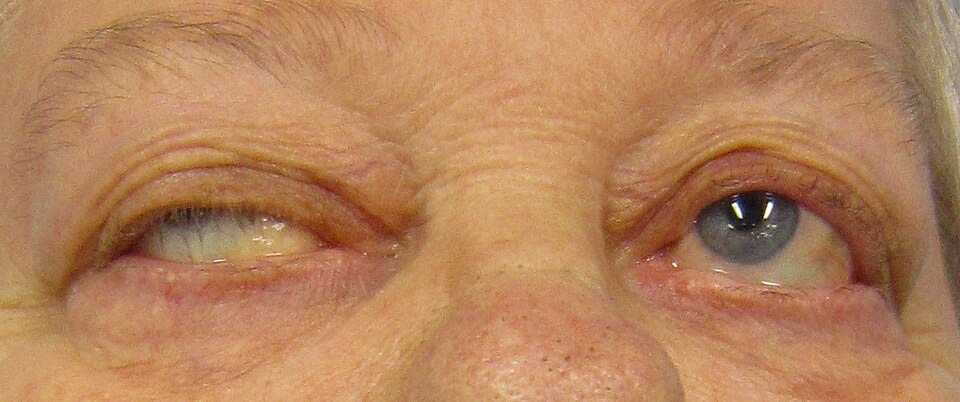
Image for question 3
James Heilman, MD, CC BY-SA 3.0 <https://creativecommons.org/licenses/by-sa/3.0>, via Wikimedia Commons

Full USMLE Step 1 curriculum outline

Every stop on the roadmap above, in order — 66 study guides and tools across 19 sections. Open any guide to study it; your progress is tracked on the map.

Orientation Plan your prep

  1. How to Study — Build a dedicated-period schedule and a resource stack (UWorld, First Aid, Anki, Pathoma, Sketchy).
  2. Best Resources — The ranked resource stack and how to sequence it across your prep.

Biochemistry, Nutrition & Genetics Foundations · biochemistry 5–15%, genetics 5–10% of items

  1. Vitamins & Nutrition — Fat- and water-soluble vitamins, deficiency and toxicity syndromes, and malnutrition.
  2. Metabolism & Inborn Errors — Key enzymes and their regulation, glycogen and lysosomal storage diseases, amino acid disorders.
  3. Genetics — Inheritance patterns, trinucleotide repeats, imprinting, and chromosomal disorders.

Immunology Foundations · 5–15% of items

  1. Immune Cells & Responses — Innate vs adaptive immunity, T and B cells, MHC, cytokines, and complement.
  2. Hypersensitivity & Transplant — Types I–IV hypersensitivity, transplant rejection, and the immunosuppressants that prevent it.
  3. Immunodeficiencies — B-cell, T-cell, combined, phagocyte, and complement defects, recognized by infection pattern.

General Pathology Foundations · pathology is 45–55% of items

  1. Cell Injury & Death — Reversible vs irreversible injury, necrosis patterns, apoptosis, and cellular adaptations.
  2. Inflammation & Repair — Acute and chronic inflammation, mediators, wound healing, and amyloidosis.
  3. Hemodynamics — Virchow triad, thrombosis, embolism types, and the mechanisms of edema.
  4. Neoplasia — Hallmarks of cancer, oncogenes and tumor suppressors, grading and staging, and tumor markers.

Microbiology Foundations · 10–20% of items

  1. Bacteria — Gram-positive and gram-negative organisms, virulence factors, and toxins.
  2. Viruses — DNA and RNA virus families, herpesviruses, and the diseases each one causes.
  3. Fungi & Parasites — Systemic and opportunistic fungi, protozoa, and helminths.
  4. Infection Syndromes & Vaccines — STIs, infections by immune defect, and vaccine types.
  5. Antibiotics — Mechanisms, spectra, key drug classes, toxicities, and resistance.

Pharmacology Principles Foundations · 10–20% of items; drug classes are in each system

  1. Pharmacokinetics & Dynamics — Absorption to elimination, half-life, dosing math, dose-response curves, agonists and antagonists.
  2. Autonomic Drugs & Drug Names — Cholinergic and adrenergic drugs and toxidromes, plus the drug-name stems that decode every class.

Cardiovascular 7–11% of the exam

  1. Cardiac Exam & ECG — Heart sounds, murmurs and maneuvers, and a systematic ECG read.
  2. Ischemic Heart Disease — Atherosclerosis, acute coronary syndromes, MI timeline and complications, lipids and statins.
  3. Heart Failure & Cardiomyopathy — Systolic vs diastolic failure, compensation, and dilated, hypertrophic, and restrictive cardiomyopathy.
  4. Arrhythmias — Conduction, tachy- and bradyarrhythmias, atrial fibrillation, and antiarrhythmics.
  5. Valves & Pericardium — Stenotic and regurgitant valves, aortic stenosis, and pericarditis and tamponade.
  6. Hypertension & CV Drugs — Primary and secondary hypertension and the antihypertensive drug classes.

Respiratory Respiratory + renal 11–15% of the exam

  1. Spirometry & Obstructive Disease — Flow-volume loops and PFT patterns, COPD, and asthma.
  2. Restrictive & Vascular Disease — Interstitial lung disease, pulmonary hypertension, and DVT and PE.
  3. Pleura & Acute Lung Injury — ARDS, pleural effusions (Light criteria), and pneumothorax.
  4. Lung Infection & Cancer — Tuberculosis and the lung cancer types with their paraneoplastic syndromes.

Renal & Urinary Respiratory + renal 11–15% of the exam

  1. Acid-Base & Electrolytes — A stepwise ABG method, anion gap, RTA types, and sodium and potassium disorders.
  2. Kidney Failure & Diuretics — Prerenal vs ATN, CKD complications, and loop and thiazide diuretics.
  3. Glomerular Disease — Nephritic vs nephrotic patterns, immune mechanisms, and biopsy findings.
  4. Stones & Urinary Infection — Stone types by crystal and pH, cystitis, and pyelonephritis.

Gastrointestinal 6–10% of the exam

  1. Esophagus & Stomach — GERD and Barrett, peptic ulcers and H. pylori, and GI bleeding.
  2. Intestine & Colon — Crohn disease vs ulcerative colitis, polyps, and colorectal cancer.
  3. Liver — Liver tests, hepatitis B and C, cirrhosis, and portal hypertension.
  4. Pancreas & Biliary Tract — Gallstone disease, cholangitis, and acute and chronic pancreatitis.

Blood & Lymphoreticular Blood, lymph & immune 9–13% of the exam

  1. Anemias — Microcytic, normocytic, and macrocytic anemias, hemolysis, and sickle cell disease.
  2. Hemostasis & Bleeding — The coagulation cascade, PT and PTT, and platelet and factor disorders.
  3. Anticoagulants — Warfarin, heparins, and DOACs: mechanisms, monitoring, and reversal.
  4. Hematologic Malignancy & Chemotherapy — Leukemias, lymphomas, and myeloma, and the chemotherapy drugs by cell-cycle target.

Nervous System & Special Senses Nervous system + behavioral 10–14% of the exam

  1. Neuroanatomy & Tumors — Cranial nerves and their lesions, and primary brain tumors.
  2. Stroke — Vascular territories, ischemic vs hemorrhagic stroke, and TIA.
  3. Seizures, Headache & Pain — Seizure types and antiepileptics, migraine, and opioid pharmacology.
  4. Neurodegenerative Disease — Parkinson and Alzheimer disease: pathology, pathways, and drugs.
  5. Demyelinating & Neuromuscular — Multiple sclerosis, myasthenia gravis, and Guillain-Barré syndrome.

Behavioral Health Nervous system + behavioral 10–14% of the exam

  1. Mood Disorders & Antidepressants — Major depression, bipolar disorder, lithium, SSRIs, and SNRIs.
  2. Psychosis & Antipsychotics — Typical vs atypical antipsychotics, extrapyramidal effects, and NMS.

Endocrine Reproductive + endocrine 12–16% of the exam

  1. Pituitary & Hypothalamus — Hormone axes, pituitary adenomas, and SIADH vs diabetes insipidus.
  2. Thyroid — Hyper- and hypothyroidism, thyroiditis, and thyroid cancers.
  3. Adrenal & Corticosteroids — Adrenal insufficiency, Cushing syndrome, and corticosteroid pharmacology.
  4. Calcium, Parathyroid & MEN — PTH, vitamin D, and calcitonin; parathyroid disorders; MEN syndromes.
  5. Diabetes — Type 1 vs type 2 diabetes, DKA vs HHS, and diabetes drugs.

Reproductive Reproductive + endocrine 12–16% of the exam

  1. Reproductive Physiology & Pregnancy — The menstrual cycle, pregnancy physiology, ectopic pregnancy, and preeclampsia.
  2. Gynecologic & Breast Pathology — Ovarian, uterine, cervical, and breast tumors; testicular and prostate disease.

Musculoskeletal, Skin & Subcutaneous 8–12% of the exam

  1. Nerves of the Limbs & Dermatomes — Brachial plexus injuries and the dermatome map.
  2. Arthritis & Anti-Inflammatories — Osteoarthritis vs rheumatoid arthritis, gout, lupus, and NSAIDs.
  3. Bone Disorders — Osteoporosis, osteomalacia, Paget disease, and bone tumors.
  4. Skin Disorders — Skin cancers, blistering diseases, and common inflammatory dermatoses.

Multisystem & Infectious Disease Multisystem processes 8–12% of the exam

  1. CNS & Cardiac Infections — Meningitis by age and CSF profile, and infective endocarditis.
  2. Pneumonia & HIV — Pneumonia organisms by setting, and HIV with its opportunistic infections and drugs.

Biostatistics, Epidemiology & Ethics Biostatistics 4–6% + communication and ethics 6–9% of the exam

  1. Diagnostic Test Statistics — Sensitivity, specificity, PPV, NPV, likelihood ratios, and the 2×2 table.
  2. Study Design & Measures of Effect — Study types, bias, statistical tests, relative risk, odds ratio, and NNT.
  3. Ethics & Communication — Consent, capacity, confidentiality, error disclosure, and patient safety.

Test Day The home stretch

  1. Practice Exams — Use NBME self-assessments to time your exam and target weak areas.
  2. Test Day Strategy Guide — The 2026 format of fourteen 30-minute blocks, pacing, breaks, and answer tactics.