How RTA is tested on Step 1
A vignette gives a non-anion gap acidosis, a potassium value, a urine pH, and a drug or systemic disease. Your job is to name the type and the mechanism.
The three types compared
Location of the defect explains everything else.
| Feature | Type 1 (distal) | Type 2 (proximal) | Type 4 (hypoaldosteronism) |
|---|---|---|---|
| Defect | H⁺ secretion by α-intercalated cells | HCO₃⁻ reabsorption in proximal tubule | Aldosterone deficiency or resistance |
| Urine pH | > 5.5 | < 5.5 (once HCO₃⁻ falls below threshold) | < 5.5 |
| Serum K⁺ | Low | Low | High |
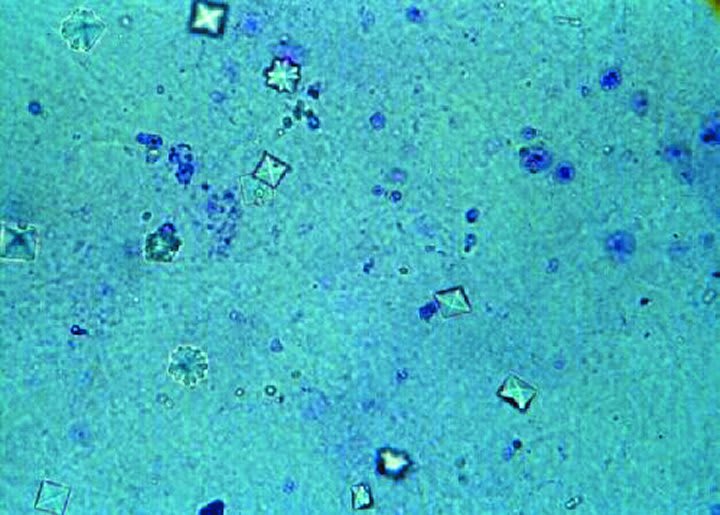
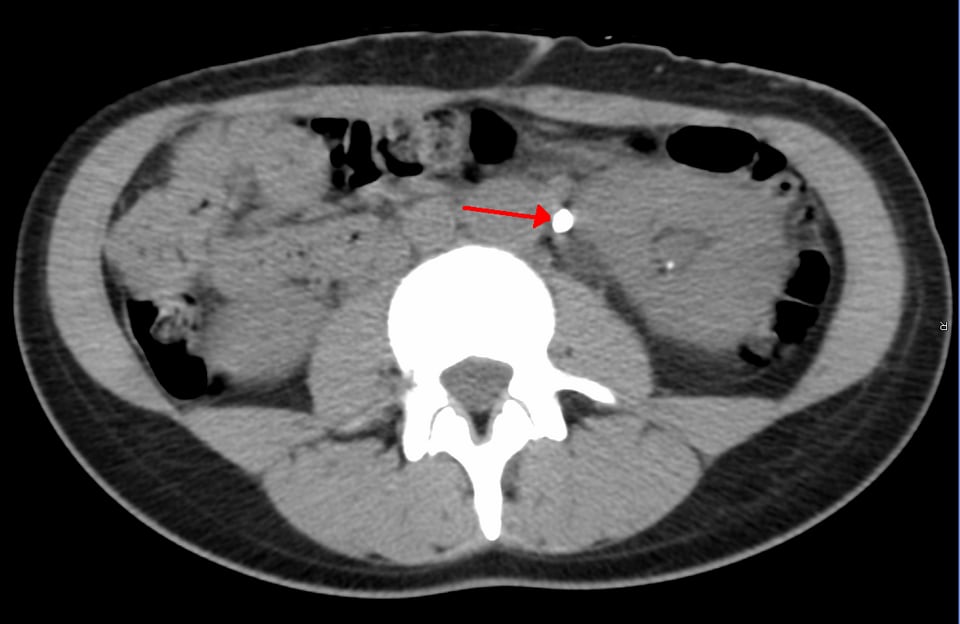
| Complications | Calcium phosphate stones, nephrocalcinosis | Rickets, osteomalacia | Hyperkalemia |
| Treatment | Alkali (bicarbonate or citrate) | High-dose alkali plus potassium; treat cause | Lower K⁺; fludrocortisone if aldosterone-deficient |
Type 3 (mixed proximal and distal) is rare and usually omitted.
Fanconi syndrome and stones
Proximal tubule dysfunction affects more than bicarbonate.
Urine anion gap
The urine anion gap estimates urinary ammonium, which carries chloride.
| Situation | Urinary NH₄⁺ | Urine anion gap |
|---|---|---|
| Diarrhea | High (kidneys respond normally) | Negative (Cl⁻ exceeds Na⁺ + K⁺) |
| Distal (type 1) RTA | Low | Positive |
| Type 4 RTA | Low | Positive |
Urine anion gap = urine Na⁺ + urine K⁺ − urine Cl⁻. It is less reliable in proximal RTA and in volume depletion.
Worked example
Work through the gaps, then the urine pH and potassium.
A woman with Sjögren syndrome has a kidney stone. Serum: Na 140, Cl 116, HCO₃⁻ 15, K 3.0. Urine pH 6.6; urine anion gap positive. Which RTA is this?
- Anion gap = 140 − (116 + 15) = 9: normal anion gap acidosis.
- Positive urine anion gap: the kidney is not excreting ammonium, so the cause is renal.
- Urine pH > 5.5 despite acidosis, with hypokalemia, indicates failure of distal H⁺ secretion.
- Sjögren syndrome and calcium phosphate stones fit type 1 (distal) RTA.
Answer. Type 1 (distal) RTA. Treat with alkali therapy such as potassium citrate.