How dementia is tested on Step 1
First separate dementia from delirium.
Alzheimer disease pathology and genetics
Two protein abnormalities define the disease.
- Amyloid plaques: amyloid-β made when APP is cleaved by β- and γ-secretase; deposits can also involve vessel walls (cerebral amyloid angiopathy, causing lobar hemorrhages).
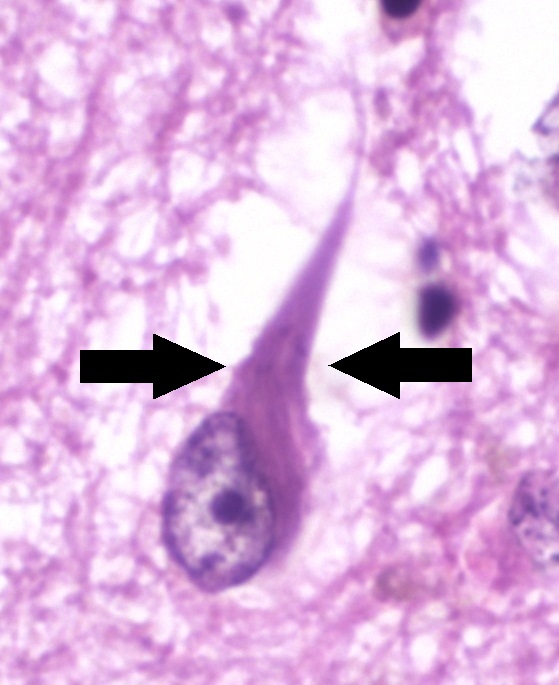
- Neurofibrillary tangles: hyperphosphorylated tau; their number correlates with the degree of dementia.
- Atrophy: widened sulci and enlarged ventricles, worst in the hippocampus and temporal and parietal lobes.
- Genes: APOE ε4 (risk), APP on chromosome 21, presenilins (PSEN1, PSEN2) in early-onset familial cases.
Other dementias
The first symptom and the speed of decline point to the type.
Treatment and reversible causes
Screen for treatable causes before labeling dementia degenerative.
| Approach | Examples | Notes |
|---|---|---|
| Cholinesterase inhibitors | Donepezil, rivastigmine, galantamine | Raise ACh; GI upset, bradycardia |
| NMDA antagonist | Memantine | Moderate to severe disease; blocks excitotoxicity |
| Anti-amyloid antibodies | Lecanemab, donanemab | Early disease; risk of amyloid-related imaging abnormalities (brain edema, microbleeds) |
| Reversible causes to test | B12, TSH, syphilis, depression, medications | Anticholinergic and sedative drugs worsen cognition |
Depression can mimic dementia in older adults ("pseudodementia").
Worked example
Use the distinctive features.
functions Worked example — hallucinations and stiffness
A 74-year-old has a year of memory decline with days of near-normal alertness alternating with confusion. They describe seeing small children in the room. Mild rigidity and bradykinesia are present. After a dose of haloperidol for agitation, they become severely rigid. What is the diagnosis?
- Fluctuating cognition and well-formed visual hallucinations are core features of Lewy body dementia.
- Parkinsonism supports it.
- Severe sensitivity to D2-blocking antipsychotics is classic.
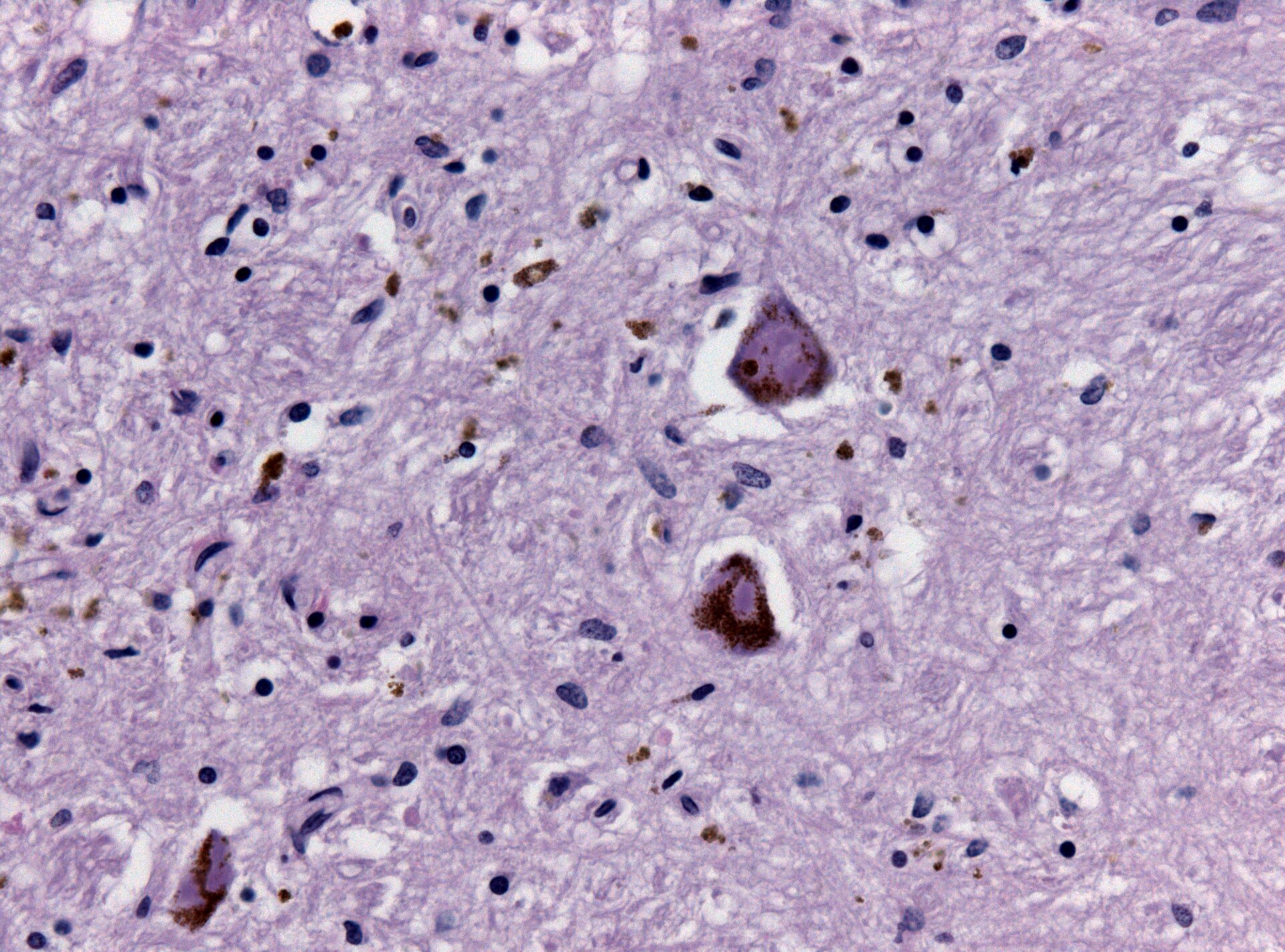
- Pathology shows cortical Lewy bodies made of α-synuclein.
Answer. Dementia with Lewy bodies; avoid typical antipsychotics.