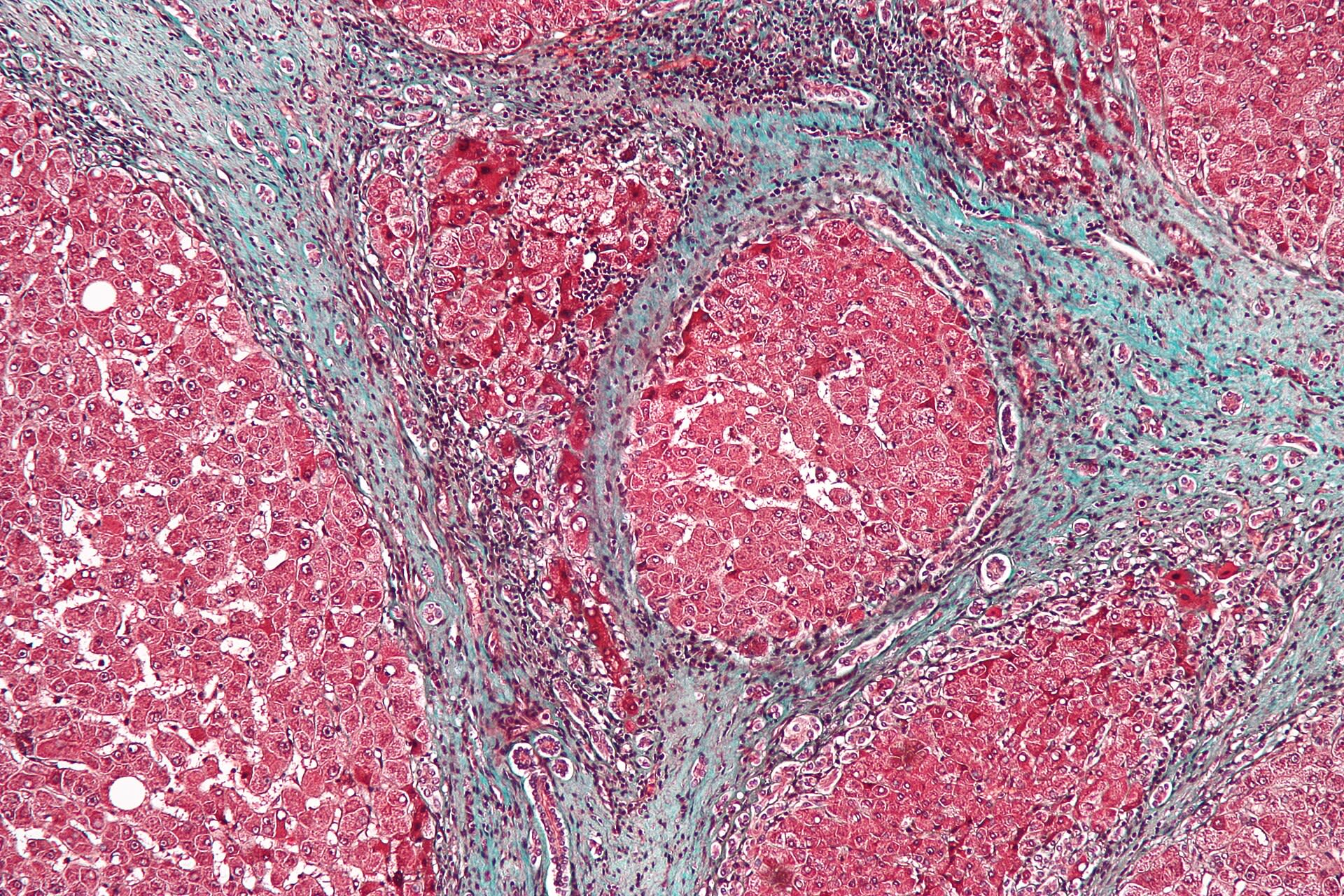
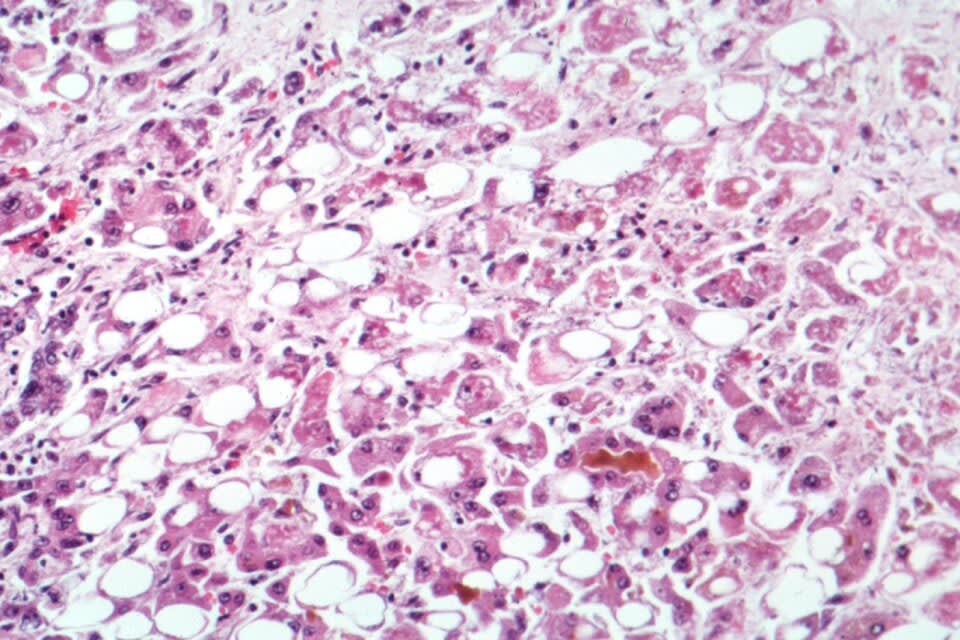
How portal hypertension is tested on Step 1
Expect a cirrhotic patient with hematemesis, ascites, or new confusion, or a question about venous anatomy.
| Site | Portal vein tributary | Systemic vein | Clinical sign |
|---|---|---|---|
| Esophagus | Left gastric | Esophageal → azygos | Esophageal varices |
| Umbilicus | Paraumbilical | Superficial and inferior epigastric | Caput medusae |
| Rectum | Superior rectal | Middle and inferior rectal | Anorectal varices |
Anorectal varices are distinct from internal hemorrhoids, which are vascular cushions.
Ascites and the SAAG
Portal hypertension, low albumin, and sodium retention drive ascites in cirrhosis.
Complications
Each is a classic cause of decompensation.
Treatment principles
Lower portal pressure and treat each complication.
- Nonselective β-blockers (propranolol, nadolol, carvedilol): β₁ blockade lowers cardiac output; β₂ blockade leaves α-mediated splanchnic vasoconstriction unopposed, reducing portal inflow.
- Acute variceal bleeding: octreotide (splanchnic vasoconstriction), prophylactic antibiotics such as ceftriaxone, and endoscopic band ligation.
- TIPS: stent from the portal vein to a hepatic vein; lowers pressure but shunts ammonia past the liver.
- Ascites: sodium restriction, spironolactone (counters secondary hyperaldosteronism) plus furosemide, and large-volume paracentesis with albumin.
- Spontaneous bacterial peritonitis: ceftriaxone or cefotaxime plus albumin; secondary prophylaxis afterward.
Worked example
Use the SAAG and cell count together.
functions Worked example — fever in a patient with ascites
A man with alcohol-related cirrhosis has fever, diffuse abdominal tenderness, and new confusion. Serum albumin is 2.8 g/dL; ascitic albumin 1.0 g/dL; ascitic neutrophils 420/mm³. Interpret the results.
- SAAG = 2.8 − 1.0 = 1.8 g/dL (≥ 1.1), consistent with portal hypertension.
- Ascitic neutrophils ≥ 250/mm³ define spontaneous bacterial peritonitis.
- Likely organisms are gram-negative enteric bacteria such as E. coli and Klebsiella.
- Infection can precipitate hepatic encephalopathy and hepatorenal syndrome.
Answer. Spontaneous bacterial peritonitis in portal hypertensive ascites; treat with a third-generation cephalosporin and albumin.