How hepatitis C is tested on Step 1
Expect a person who injects drugs with mildly elevated aminotransferases, or a patient with palpable purpura and kidney disease.
Diagnosis
Antibody first, then RNA.
| Anti-HCV | HCV RNA | Interpretation |
|---|---|---|
| + | + | Current infection |
| + | − | Past infection that cleared (or was cured) |
| − | + | Very early acute infection or immunosuppression |
| − | − | No infection |
Antibodies to HCV are not protective; reinfection after cure is possible.
- US guidance recommends one-time HCV screening for adults and testing in each pregnancy, plus periodic testing for ongoing risk.
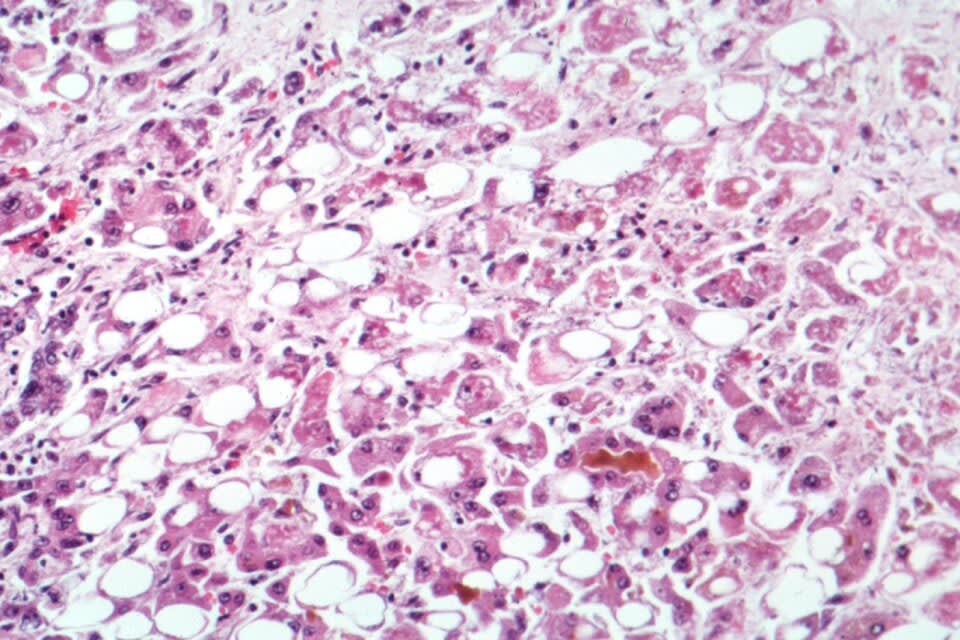
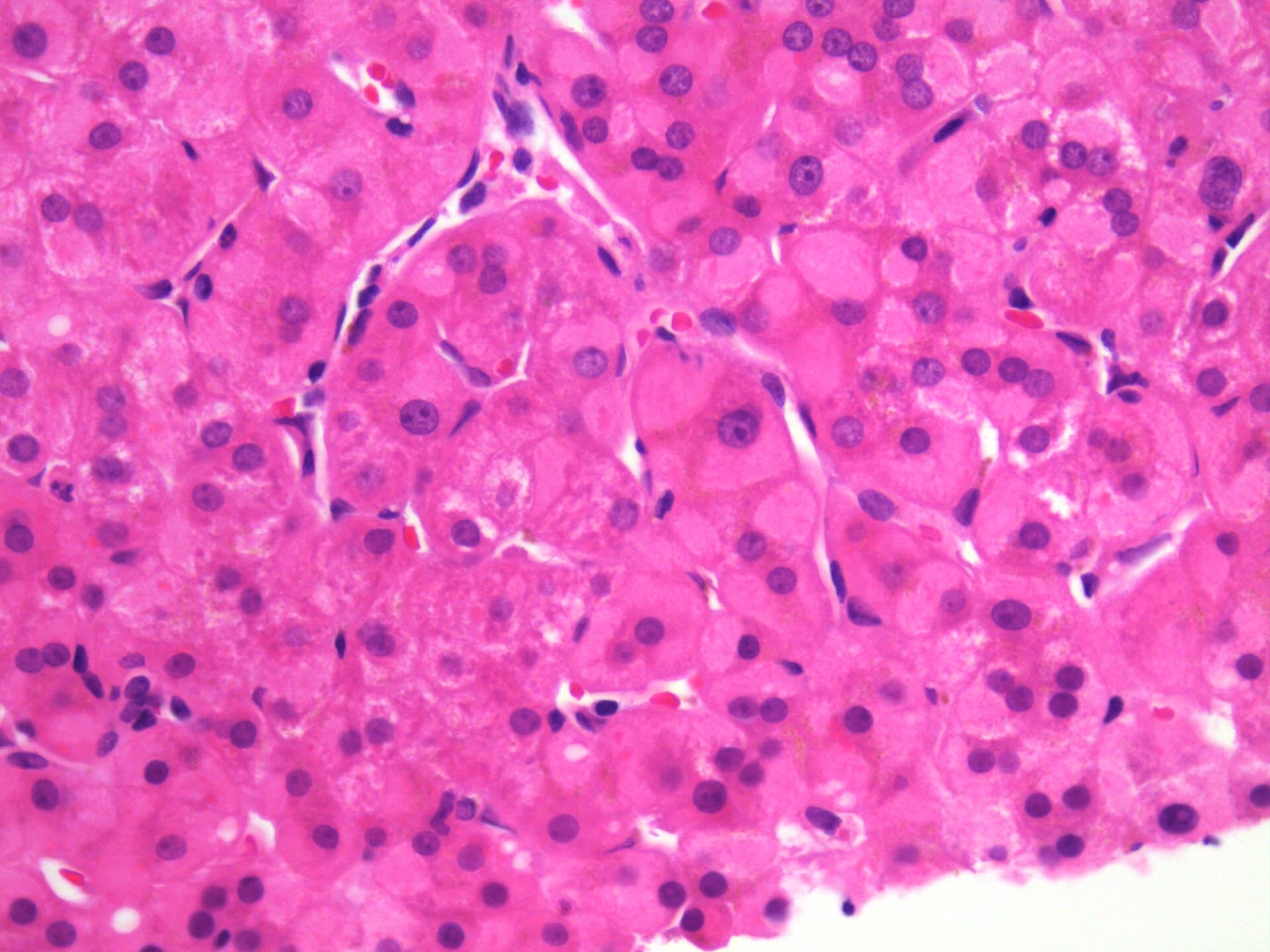
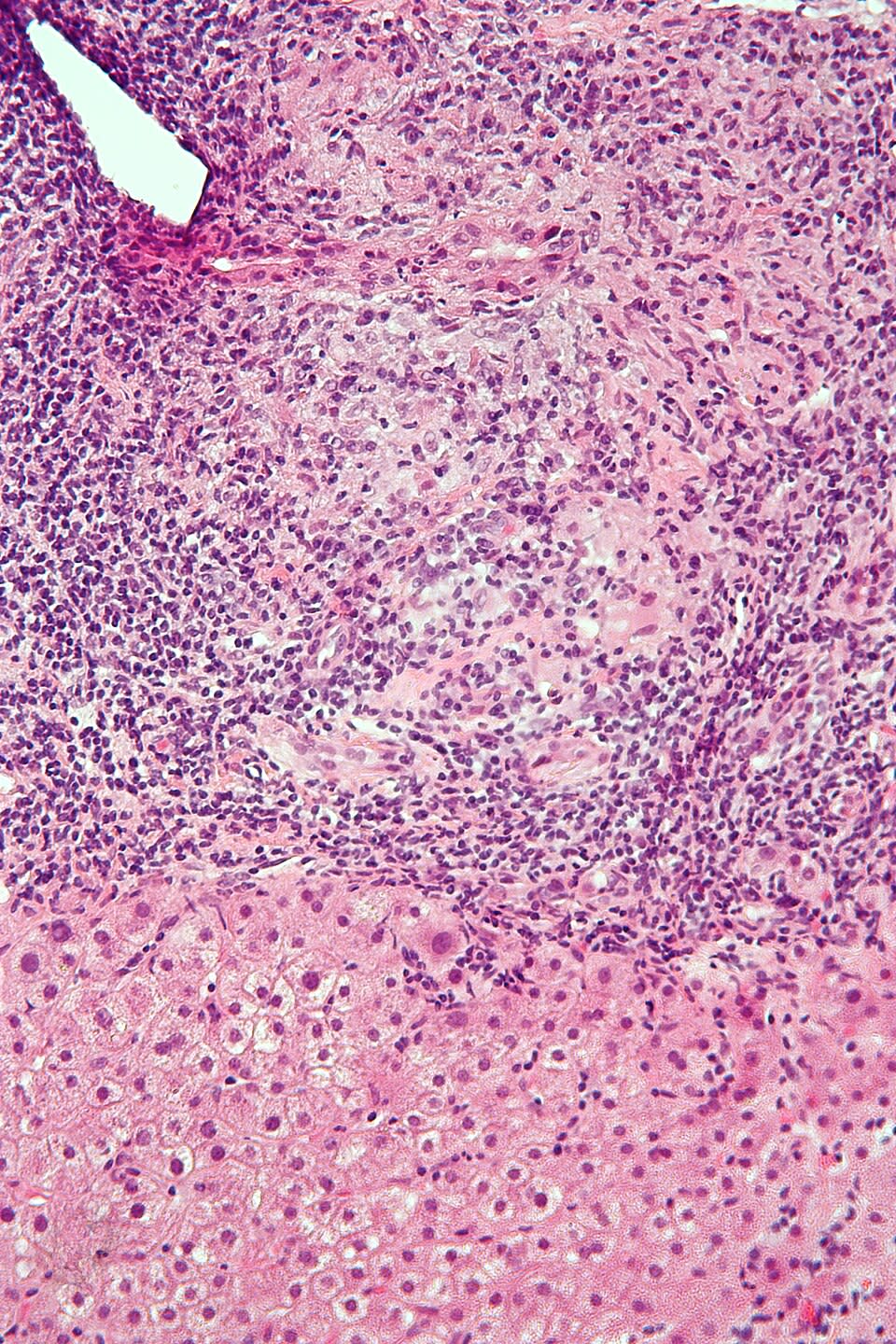
- Liver histology in chronic HCV often shows portal lymphoid aggregates and steatosis.
Extrahepatic manifestations
HCV stimulates B cells, producing immune-complex disease.
Direct-acting antivirals
Drug class names follow their viral targets.
| Class | Examples | Target |
|---|---|---|
| NS5B polymerase inhibitor | Sofosbuvir | RNA-dependent RNA polymerase (nucleotide analog chain terminator) |
| NS5A inhibitors | Ledipasvir, velpatasvir, pibrentasvir (-asvir) | Replication complex assembly |
| NS3/4A protease inhibitors | Glecaprevir, grazoprevir, voxilaprevir (-previr) | Viral polyprotein cleavage |
| Ribavirin (older adjunct) | Ribavirin | Guanosine analog; hemolytic anemia, teratogenic |
Combination DAA regimens achieve sustained virologic response (cure) in most patients. Check for HBV coinfection first, because HBV can reactivate during treatment.
Worked example
Connect skin, kidney, and liver.
A 52-year-old who injected drugs decades ago has palpable purpura on the legs, joint pain, hematuria with proteinuria, and low C4. Aminotransferases are mildly elevated. What links these findings?
- Past injection drug use suggests chronic hepatitis C.
- Palpable purpura, arthralgia, and low complement suggest immune-complex vasculitis.
- Mixed cryoglobulinemia is the classic HCV-associated vasculitis.
- Glomerular deposits produce membranoproliferative glomerulonephritis.
Answer. Chronic hepatitis C with mixed cryoglobulinemia and membranoproliferative glomerulonephritis.