How tuberculosis is tested on Step 1
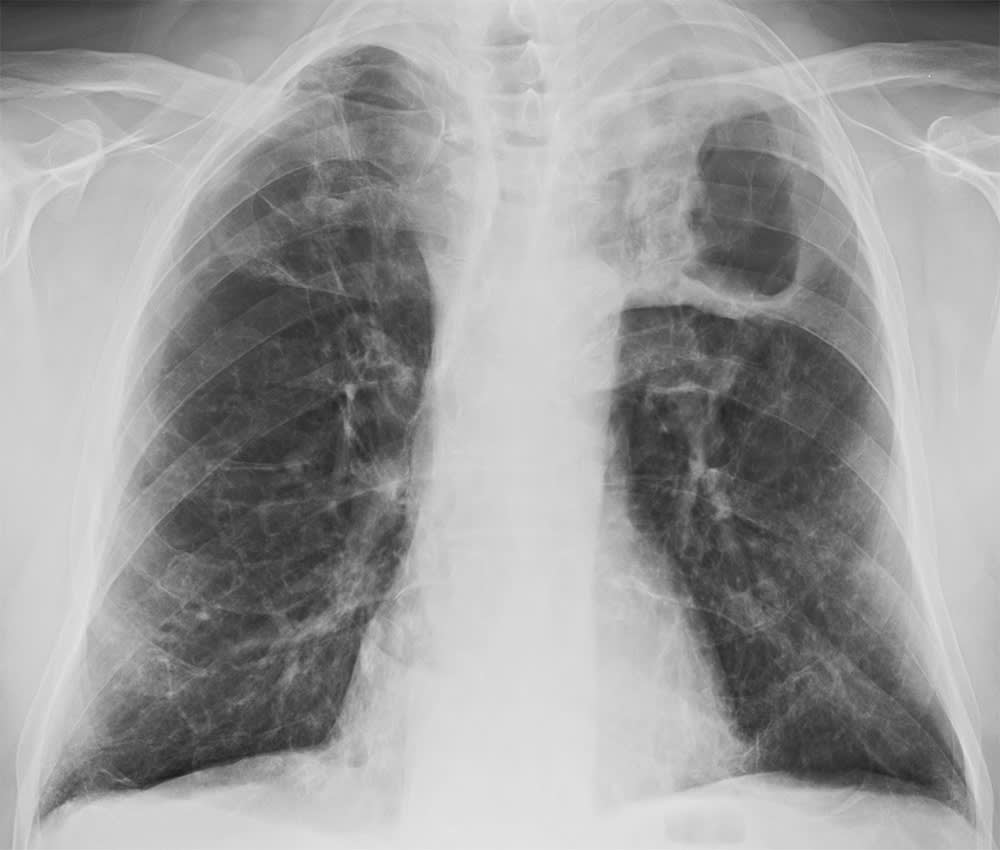
Expect a patient with cough, night sweats, weight loss, and an apical cavity, a positive screening test in an asymptomatic health worker, or a drug toxicity during treatment.
TB is controlled by IFN-γ–activated macrophages in granulomas. Anything that weakens that axis — HIV, TNF-α inhibitors, steroids, IL-12 or IFN-γ receptor defects — allows reactivation or spread.
Pathogenesis
Inhaled bacilli are engulfed by alveolar macrophages but block phagolysosome fusion and multiply.
Testing for TB
Screening tests detect immune memory; they cannot separate latent from active infection.
| Test | Principle | Notes |
|---|---|---|
| Tuberculin skin test (PPD) | Type IV hypersensitivity induration at 48–72 h | False positive after BCG vaccine; false negative in immunosuppression, sarcoid |
| Interferon-γ release assay (IGRA) | T cells release IFN-γ to TB-specific antigens | Not affected by BCG; single visit |
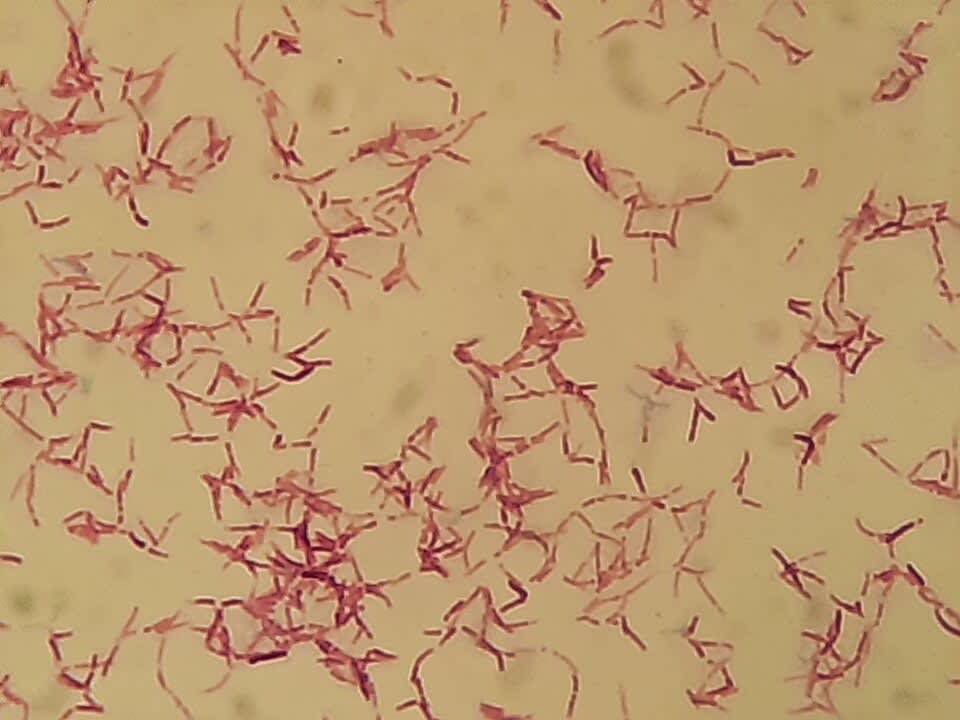
| Sputum AFB smear, culture, NAAT | Detects organism | Culture is the gold standard (weeks); NAAT gives rapid rifampin resistance |
| Chest x-ray | Excludes active disease | Required after any positive screening test |
PPD positivity thresholds: ≥ 5 mm (HIV, close contacts, immunosuppressed), ≥ 10 mm (high-risk settings, recent immigrants, health workers), ≥ 15 mm (no risk factors).
Treatment
Active TB needs multiple drugs to prevent resistance; latent TB needs a shorter regimen to prevent reactivation.
| Drug | Key toxicity | Prevention or note |
|---|---|---|
| Isoniazid | Peripheral neuropathy, hepatitis, drug-induced lupus, sideroblastic anemia | Pyridoxine (B6); slow acetylators at higher risk |
| Rifampin | Orange-red body fluids, hepatitis, strong CYP inducer | Lowers levels of warfarin, contraceptives, HIV drugs |
| Pyrazinamide | Hyperuricemia, gout, hepatitis | Monitor uric acid |
| Ethambutol | Optic neuritis (red-green color blindness) | Check visual acuity and color vision |
Latent TB: 3 months of weekly isoniazid + rifapentine, 4 months of rifampin, or 3 months of isoniazid + rifampin.
Clinical application
Drug side effects during TB therapy are high yield.
A 44-year-old with alcohol use disorder and malnutrition is two months into RIPE therapy for cavitary TB. She reports burning and tingling in both feet. Which drug is responsible, and how could it have been prevented?
- Symmetric distal sensory neuropathy during TB therapy points to isoniazid.
- Isoniazid forms a complex with pyridoxine, depleting vitamin B6, which is needed for neurotransmitter synthesis.
- Malnutrition and alcohol use raise the risk.
Answer. Isoniazid-induced pyridoxine deficiency. Give pyridoxine (vitamin B6) with isoniazid, especially in high-risk patients.