Growth and development
Milestone questions ask what is expected at a given age and what toy or teaching fits the child.
| Age | Erikson stage | Nursing application |
|---|---|---|
| Infant (0–1 yr) | Trust vs mistrust | Consistent caregivers; meet needs promptly |
| Toddler (1–3 yr) | Autonomy vs shame and doubt | Offer simple choices; expect negativism and separation anxiety |
| Preschool (3–6 yr) | Initiative vs guilt | Use play and dolls to explain procedures; fears of body injury |
| School age (6–12 yr) | Industry vs inferiority | Explain procedures; involve in care; keep up schoolwork |
| Adolescent (12–18 yr) | Identity vs role confusion | Privacy, peers, body image; interview without parents when appropriate |
Separation anxiety peaks in toddlers; parents rooming in helps.
Airway emergencies
Children's small airways narrow quickly. Distinguish croup from epiglottitis.
- Signs of respiratory distress in children: nasal flaring, retractions, grunting, head bobbing, tachypnea, restlessness.
- Bronchiolitis (often RSV): suction the nose before feeds, monitor hydration and oxygenation.
- Foreign body aspiration is common in toddlers; teach age-appropriate food sizes and toy safety.
Dehydration and fluids
Infants have a higher proportion of body water and lose it faster.
| Assessment | Why it matters |
|---|---|
| Daily weight (same scale, same time) | Most accurate measure of fluid change |
| Wet diapers or urine output | About 1 mL/kg/h or more is commonly expected in infants and young children |
| Fontanel, mucosa, tears | Early signs |
| Heart rate and capillary refill | Tachycardia comes before hypotension |
Weigh diapers to measure output: 1 g of wet diaper weight ≈ 1 mL of urine.
Medications, Kawasaki disease, and safety
Weight-based dosing and a few pediatric-specific conditions are frequently tested.
| Topic | Key nursing points |
|---|---|
| Kawasaki disease | Fever ≥ 5 days, conjunctivitis, red cracked lips, strawberry tongue, rash, swollen hands and feet; risk of coronary artery aneurysm; IVIG and aspirin as ordered |
| After IVIG | Live vaccines (such as MMR and varicella) are usually deferred for about 11 months |
| Aspirin | Avoid for viral illness in children (Reye syndrome), except when prescribed, as in Kawasaki disease |
| Safe sleep | Back to sleep, firm flat surface, no pillows or bumpers, room-sharing without bed-sharing |
| Car seats | Rear-facing as long as possible, until the seat's height or weight limit |
| Poisoning | Lock up medicines and chemicals; Poison Control 1-800-222-1222 (U.S.) |
Immunization timing follows the current CDC schedule.
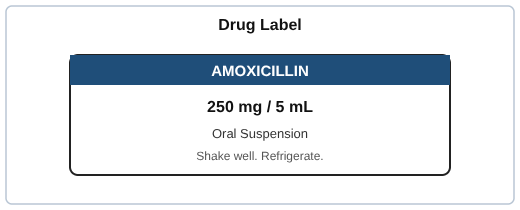
A 22-lb child has an order for amoxicillin 200 mg orally every 12 hours. The safe range is 25–45 mg/kg/day divided every 12 hours. Is the dose safe?
- Convert weight: 22 lb ÷ 2.2 = 10 kg.
- Safe daily range: 25 × 10 = 250 mg to 45 × 10 = 450 mg per day.
- Ordered daily dose: 200 mg × 2 = 400 mg per day.
- 400 mg/day falls within 250–450 mg/day.
Answer. Yes. The ordered dose (400 mg/day) is within the safe range (250–450 mg/day).
NGN-style case
Recognizing an airway emergency is a classic pediatric priority.
A 4-year-old with no immunization record arrives with fever of 104°F (40°C), drooling, a muffled voice, and sits leaning forward. The parent asks the nurse to look in the child's throat. What should the nurse do?
- Recognize cues: high fever, drooling, muffled voice, tripod position, incomplete immunizations (no Hib vaccine).
- Analyze: suspected epiglottitis, an airway emergency.
- Do not examine the throat or lay the child down; keep the child calm with the parent.
- Call for emergency airway support and have intubation and tracheostomy equipment ready.
Answer. Do not inspect the throat. Keep the child upright and calm and summon airway experts immediately.